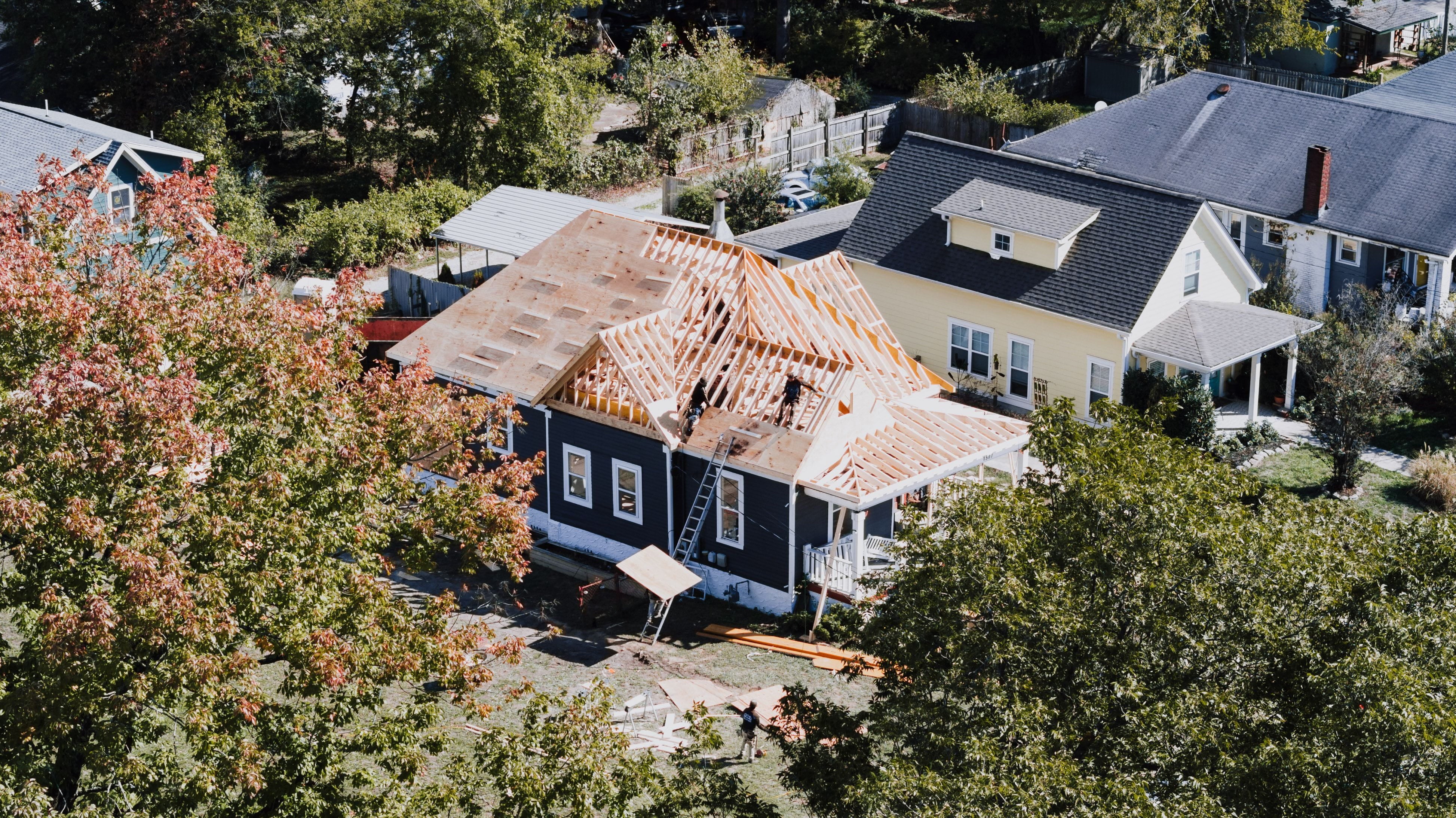
An ADU, or accessory dwelling unit, is a secondary housing unit on a single-family or multifamily property.
Think of it as a backyard cottage, a converted garage, a basement apartment, or a room addition with its own kitchen and bathroom. ADU laws in California have made it easier than ever for homeowners to build one, and more people are taking advantage of it every year.
Understanding California’s ADU rules is a smart move before you start planning, whether you want extra rental income, space for aging parents, or just more flexibility with your property.
What Are the Current ADU Laws in California for 2026?
California has some of the most permissive ADU laws in the country. The state passed several rounds of legislation starting in 2017 and continuing through the mid-2020s that removed barriers local cities and counties used to block ADU construction. Here is what the rules look like right now:
- Most single-family lots qualify: If you own a single-family home, you can build one ADU and one Junior ADU (JADU) on your lot.
- Multifamily properties: Owners of apartment buildings and other multifamily properties can convert existing non-livable space into ADUs, and may be able to add detached ADUs as well.
- Local agencies cannot block most ADUs: Cities and counties must approve ADUs that meet state standards and cannot impose rules that make construction effectively impossible.
- Owner-occupancy rules relaxed: California removed the requirement that homeowners must live on the property to build or rent an ADU, though some local jurisdictions may still have conditions.
These rules apply across the state, whether you are looking at new homes in Southern California or Northern California. ADU opportunities exist in almost every market throughout the state.
How Much Does It Cost to Build an ADU in California?
The cost to build an ADU in California varies a lot depending on the type, size, and location of the unit. Here is a general breakdown:
- Junior ADU (converted room, up to 500 sq ft): $20,000 to $80,000
- Garage conversion: $50,000 to $150,000
- Attached ADU: $100,000 to $250,000
- Detached ADU (new construction): $150,000 to $400,000 or more, depending on size and finishes.
The cost to build an ADU in California also includes permit fees, utility connections, architectural and engineering plans, and any required site work like grading or drainage.
In high-cost metros like San Francisco or Los Angeles, costs trend toward the higher end. In more affordable inland markets, you can often build for less.
What Size Can an ADU Be?
State law sets minimum size allowances that local governments must honor:
- Detached ADU: Up to 1,200 square feet.
- Attached ADU: Up to 50% of the primary home's square footage, with a maximum of 1,200 square feet.
- Junior ADU (JADU): Up to 500 square feet, typically carved out of existing home space.
Local cities can allow larger ADUs, but they cannot require them to be smaller than the state minimums. Always check with your local planning department since some cities have their own size tiers or bonuses for affordable units.
How Long Does It Take to Get an ADU Permitted?
California law requires local agencies to approve or deny an ADU application within 60 days. That clock starts when you submit a complete application.
If you submit an incomplete application, the agency has 30 days to tell you what is missing before the 60-day window begins.
In practice, timelines vary. Some cities process ADU permits quickly because they have streamlined programs.
Others take longer due to backlogs or additional review requirements. Pre-approved ADU plans, which some cities offer, can significantly speed up the process.
Can You Rent Out an ADU in California?
Yes. You can rent an ADU to long-term tenants. There are no state restrictions on renting an ADU under a standard lease.
However, short-term rental platforms like Airbnb are subject to local regulations, and many California cities limit or prohibit short-term rentals for ADUs. Always check local short-term rental ordinances before listing your ADU.
Financing Options for ADU Construction
Building an ADU is a significant investment. Here are some financing options California homeowners commonly use:
- Home equity line of credit (HELOC): A popular option if you have built up equity in your home.
- Cash-out refinance: Allows you to access equity by refinancing your existing mortgage at a higher loan amount.
- CalHFA ADU Grant Program: California Housing Finance Agency has offered grants to help cover predevelopment costs for ADUs targeting lower-income households.
- Construction loans: Short-term loans specifically for building projects, converted to a mortgage once construction is complete.
The Bottom Line
California’s ADU laws have opened the door for homeowners to create more flexible, valuable, and functional living spaces than ever before. Whether your goal is rental income, multigenerational living, or increasing property value, understanding the latest ADU California regulations can help you plan with confidence. The key is to balance your budget, local zoning requirements, financing options, and long-term goals before you begin. With the right approach, an ADU can become one of the smartest investments you make in your property.
Frequently Asked Questions
Q1: Can I sell an ADU separately from my main home?
Generally, no. Under standard California law, the ADU and the main home are part of the same parcel and must be sold together. However, AB 1033, passed in 2023, allows local jurisdictions to opt in to a program that permits the separate sale of ADUs as condominiums. Check whether your city has adopted this option.
Q2: Do ADUs affect property taxes?
Yes, but only for the new construction. California law prevents a full reassessment of your entire property when you add an ADU. The assessor values the new unit and adds that assessed value to your existing base, so your overall property tax increase is limited to just the ADU portion.
Q3: Is a permit required for all ADUs?
Yes. Building an unpermitted ADU is risky. It can create problems when you sell the home, expose you to code enforcement actions, and potentially make you liable if a tenant is injured. Always pull the proper permits under ADU laws in California.
Q4: Can I build an ADU if I have a homeowners' association?
Under California law, HOAs cannot prohibit ADU construction. However, HOAs can impose reasonable standards on aesthetics like exterior colors and materials as long as those standards do not make building an ADU effectively impossible or unreasonably expensive.
Q5: Are there setback requirements for detached ADUs?
Yes. State law sets a maximum rear and side setback of four feet for detached ADUs. Local agencies cannot impose larger setbacks. Front setbacks follow local standards, but state law limits how these can be applied in a way that blocks ADU construction.


