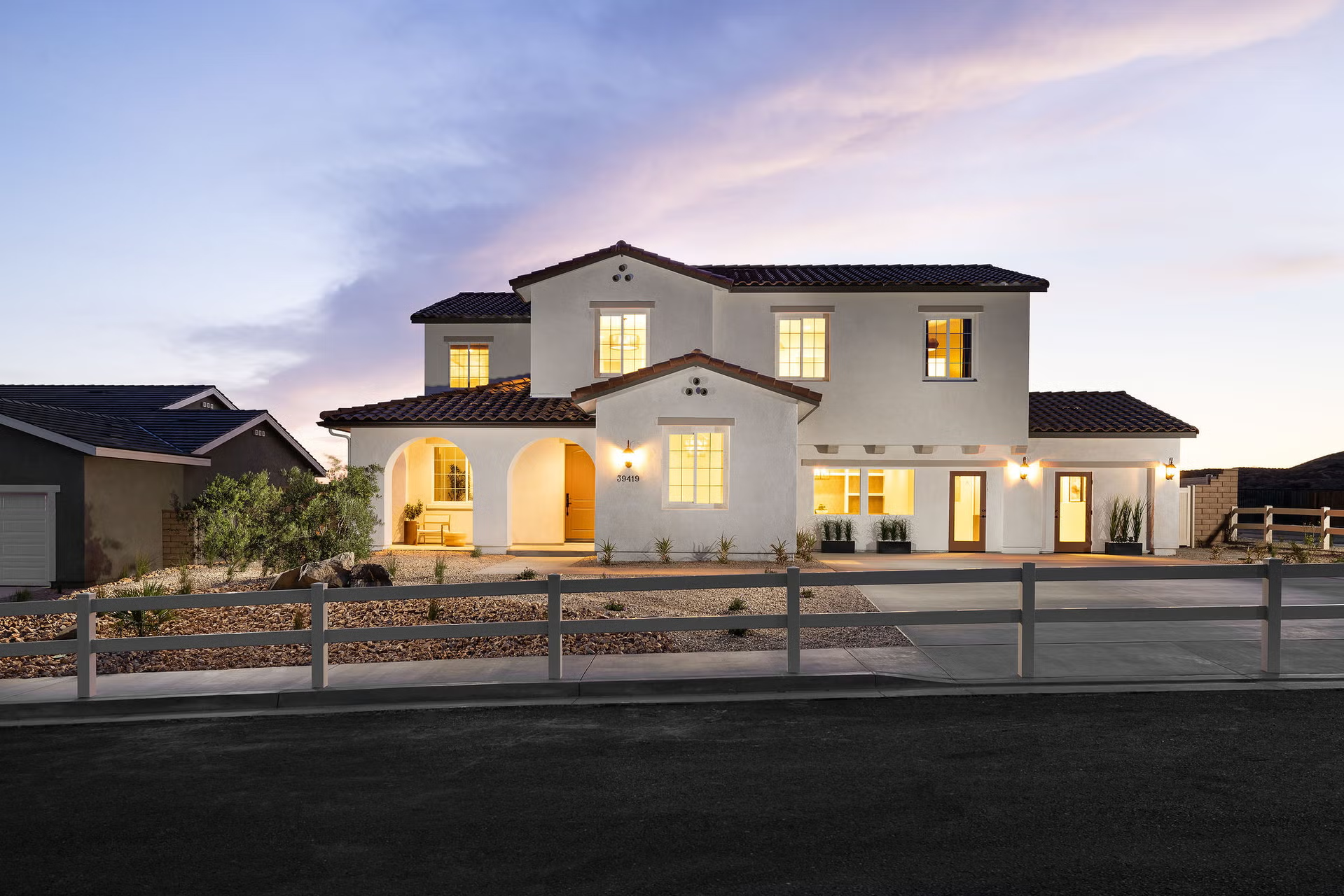
A home appraisal is a professional estimate of what your property is worth. Lenders order one before they approve your loan, especially for new builds.
If you're buying new homes in Southern California, your lender will likely order a "subject-to-completion" appraisal. This means the appraiser estimates the home's future value before it's even finished.
The same process applies for new homes in Northern California, where builder timelines can vary just as much.
A new construction appraisal typically costs between $500 and $800. The process usually takes 7 to 21 days from the first site review to the final lender report. Let's break down exactly how it works and what you can expect along the way.
How New Construction Appraisals Work
New construction is different from buying a resale home. The appraiser can't just walk through a finished space and take notes. Instead, they rely on plans, paperwork, market data, and comparable sales.
1. Subject-to-Completion Value
Because the home may still be under construction, the appraiser performs a "subject-to-completion" appraisal. This estimates what the property will be worth once it's fully built. It's a forward-looking home appraisal rather than a snapshot of what exists today.
This approach lets lenders approve loans before the last nail is hammered in. It protects both the buyer and the bank. Without it, new construction financing would move much slower.
2. Document Review
The appraiser leans heavily on builder blueprints, plot plans, permit records, and a detailed upgrade and material spec sheet. These documents show square footage, layout, finishes, and included features. Without solid paperwork, the appraisal process can stall.
This is where a home appraisal checklist becomes useful for buyers. Keep copies of your floor plans, upgrade lists, permit paperwork, and any change orders. Having these ready can speed up the entire appraisal timeline.
3. Comparable Sales, or Comps
Appraisers look for recently sold similar properties within 3 to 6 miles of your new home. They prioritize sales in the same or nearby master-planned communities. This matters a lot for buyers in new homes in Southern California, where builder communities often set local pricing trends.
The same holds true for buyers in new homes in Northern California, where comps can be harder to find in newer developments. Fewer comparable sales can sometimes complicate the appraisal process. That's why appraisers often widen their search radius when needed.
4. Final Completion Check
Once construction is finished, a final certificate of completion inspection may be required. This step lets the lender confirm that the home was built to the specified quality and features. It's the last box to check before your loan fully closes.
What to Expect During the Process?
Knowing the steps ahead of time makes the whole experience feel less stressful. Here's a simple breakdown of what typically happens.
- The appraisal: The lender orders the subject-to-completion appraisal once you're under contract or your construction loan is processed.
- The site visit: If the home is far along, the appraiser visits to check the foundation, framing, walls, roofing, and finished quality. This visit usually takes 30 to 90 minutes.
- The report: After the visit, the appraiser compiles everything into a written report for your lender.
But what if your finished home appraises for less than your purchase price? This scenario is called a valuation gap. If you run into one, don't panic—you have options. You can renegotiate with the builder, pay the cash difference, ask your lender to re-verify the comps, or request a full reconsideration of value.
Buyers often ask, How much does a home appraisal cost when this happens? Many are concerned about paying additional fees for a second review. In most cases, a second look or reconsideration request doesn't cost as much as a brand-new appraisal. Your lender or agent can walk you through the exact next steps. It's a common bump in the road, not a dealbreaker.
Typically, a reconsideration of value costs much less than the original report, sometimes nothing at all. It's worth asking your lender directly, since fees can vary by company and by region.
Building Your Own Home Appraisal Checklist
A little preparation goes a long way. Before your appraisal, gather your builder's floor plans, your signed upgrade sheet, your homeowner's association details, and your final walkthrough notes. Having these ready in one folder saves time and reduces back-and-forth.
Think of this as your personal home appraisal checklist for staying organized. It also helps you research recent sales in your neighborhood ahead of time. Knowing what nearby homes sold for gives you a rough idea of what to expect.
This small step can make the whole home appraisal process feel far less mysterious. Buyers who ask, “How much does a home appraisal cost?” before signing paperwork tend to feel more confident overall. Understanding the fees up front removes a lot of guesswork later.
Final Thoughts
An appraisal for a new construction might sound intimidating, but it's a straightforward and structured process. It protects buyers, builders, lenders, and agents alike. Once you understand each step, the process feels much more manageable.
Costs, timelines, paperwork, and inspection details may shift slightly by region, but the core process holds steady statewide. With the right preparation, your home appraisal can move smoothly from start to finish.
Frequently Asked Questions
Q1: How long does an appraisal for new construction take?
Most appraisals take 7 to 21 days from the initial site review to the final lender report. The timeline can change depending on how far along construction is and how quickly documentation is provided.
Q2: How much does a home appraisal cost for new construction?
An appraisal typically costs between $500 and $800. If a second review or reconsideration of value is needed later, it usually costs much less than the original appraisal, sometimes nothing at all.
Q3: What happens if the appraisal is lower than the purchase price?
This is called a valuation gap, and you have a few options: renegotiate with the builder, cover the cash difference, ask your lender to re-check the comps, or request a full reconsideration of value. It's a common bump in the process rather than a dealbreaker.
Q4: What documents do I need for a new construction appraisal?
Keep your builder's floor plans, signed upgrade and material spec sheet, permit records, and any change orders on hand. Having these organized ahead of time can speed up the entire appraisal process.
Q5: Why is a "subject-to-completion" appraisal used for new builds?
Since the home may still be under construction, the appraiser estimates its future value once fully built rather than its current state. This lets lenders approve financing before construction is finished, protecting both the buyer and the bank.


