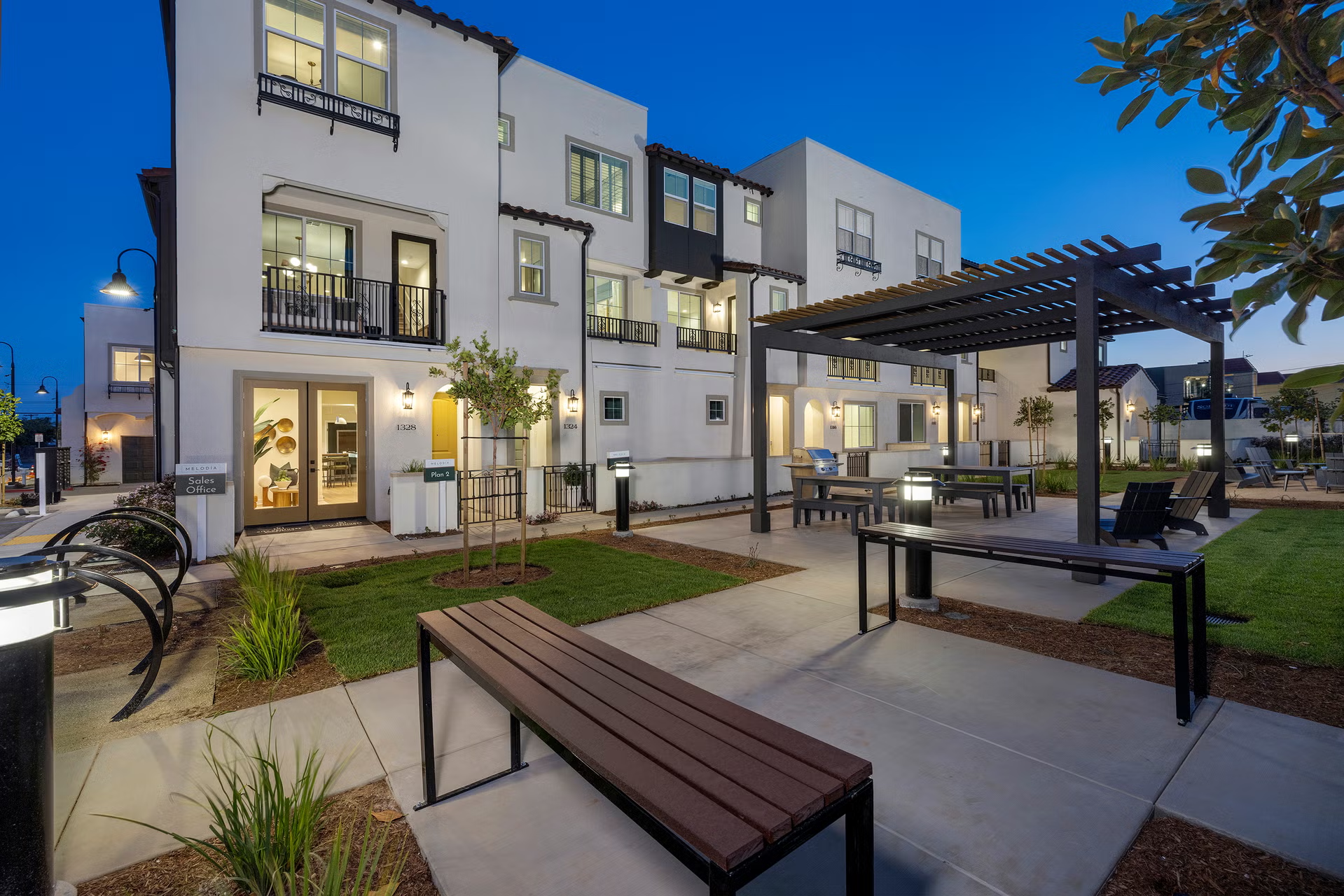
California’s housing market remains one of the most competitive in the U.S. As of late 2025, the average home value statewide is approximately $754,304 (at the time of writing), nearly double the national median of existing homes, which amounts to around $422,400 (Source 1, Source 2).
Despite higher mortgage rates, buyer demand remains strong due to limited inventory, job growth, and long-term appreciation potential.
According to the California Association of Realtors (CAR), median home prices are projected to rise by 4.6% in 2025, signalling continued resilience. (Source 3)
This environment makes preparation critical, especially for buyers evaluating new homes in Southern California, where contract terms and costs can differ significantly from those of resale properties.
Understanding these regional differences is essential when purchasing a home in California, especially if you’re deciding between urban condos, suburban townhomes, or master-planned new communities.
Did You Know? Homes in highly rated school districts in California often command price premiums of 10 to 20%, according to CAR housing studies.
Pro Tip: California contracts are time-sensitive. Missing deadlines can impact negotiations or even cancel a transaction.
Frequently Asked Questions
Q1: What property taxes should I expect when purchasing a home in California?
California property taxes are generally around 1% of the purchase price, based on Proposition 13. The assessed value can only increase by up to 2% per year. Some homes, especially in newer communities, may also include Mello-Roos or local assessments, which increase annual taxes.
Q2: How does homeowners' insurance work in high-risk areas of California?
Insurance costs vary by location, particularly in wildfire or coastal zones. Some buyers may need coverage through the California FAIR Plan, along with a supplemental policy. Insurance availability can affect loan approval, so securing quotes early is essential.
Q3: What should buyers know about purchasing a home in an HOA community?
Homes in HOA-governed communities come with rules, fees, and financial obligations. California law requires buyers to review HOA documents before closing, with the right to cancel if the terms are unacceptable.
Q4: Can non-U.S. citizens purchase a home in California?
Yes. Non-U.S. citizens can legally buy property in California. Financing may require higher down payments and additional documentation, and tax rules like FIRPTA can apply when selling. Professional guidance is recommended.
Despite higher mortgage rates, buyer demand remains strong due to limited inventory, job growth, and long-term appreciation potential.
According to the California Association of Realtors (CAR), median home prices are projected to rise by 4.6% in 2025, signalling continued resilience. (Source 3)
This environment makes preparation critical, especially for buyers evaluating new homes in Southern California, where contract terms and costs can differ significantly from those of resale properties.
How Is California’s Real Estate Landscape?
California is not a single housing market and is made up of dozens of micro-markets shaped by geography, zoning laws, and local economies. Key factors shaping the landscape include:- Location diversity: Coastal cities, inland suburbs, mountain regions, and urban centers all behave differently.
- Zoning and density laws: Regulations like SB 9 and SB 10 influence where and how homes can be built.
- Supply constraints: Land availability and permitting timelines limit new inventory.
Understanding these regional differences is essential when purchasing a home in California, especially if you’re deciding between urban condos, suburban townhomes, or master-planned new communities.
How to Prepare Financially for a Home Purchase?
Before buying a home in California, financial readiness goes far beyond saving for a down payment. Key costs to plan for include:- Down payment: Typically 3% to 20%, depending on loan type.
- Closing costs: Usually 2% to 5% of the purchase price.
- Property taxes: Around 1.1% annually.
- Insurance & HOA fees: Common in condos and new developments.
What Are The Credit Score & Mortgage Pre-Approval Requirements?
Mortgage pre-approval is non-negotiable in today’s market. Here is what lenders typically look for:- Credit score:
- 620+ for conventional loans
- 580+ for FHA loans
- Debt-to-income (DTI) ratio: Ideally below 43%
- Documentation:
- Tax returns
- Pay stubs
- Bank statements
What Are The Different Types of Homes Available in California?
California offers a wide variety of housing options, and understanding the differences is essential when purchasing a home in California, especially if you’re weighing lifestyle needs against long-term value.Common Home Types Buyers Encounter
- Single-Family Homes Detached properties offering privacy, outdoor space, and fewer shared rules. These are often preferred by families but come with higher purchase prices and maintenance costs.
- Condominiums (Condos) Individually owned units within a shared building or community. Condos typically have lower purchase prices but include monthly HOA fees that cover maintenance, insurance, and amenities.
- Townhomes A middle ground between condos and single-family homes. Townhomes usually share walls but offer more space and sometimes private yards or garages.
- New Construction & Newly Built Homes
These homes feature modern layouts, energy-efficient systems, and builder warranties. While contracts may differ from resale homes, new builds can offer predictability in maintenance and upfront transparency.
How To Choose the Right Location & Neighborhood?
Location is one of the most influential factors in buying a home in California, and one that can’t be changed later. Here is what buyers should evaluate carefully:- School districts, even if you don’t have children, because this factor will affect resale value.
- Commute times and transportation access.
- Safety and crime statistics.
- Access to healthcare, shopping, and parks.
- Future development plans that may impact traffic or property values.
Did You Know? Homes in highly rated school districts in California often command price premiums of 10 to 20%, according to CAR housing studies.
What Is The Step-by-Step Home Buying Process in California?
The California home-buying process follows a structured but fast-moving path. Knowing each step helps buyers stay in control. Typical home-buying steps include:- Financial preparation and budgeting
- Mortgage pre-approval
- Home search or builder selection
- Offer submission or purchase agreement
- Escrow opens
- Inspections and disclosures review
- Appraisal and loan underwriting
- Final walkthrough
- Closing and recording
Pro Tip: California contracts are time-sensitive. Missing deadlines can impact negotiations or even cancel a transaction.
Why Is It Important to Work with Real Estate Agents?
A licensed California real estate agent plays a critical role in protecting buyers, especially in competitive markets. Here is how agents support buyers:- Provide accurate pricing and market insights.
- Identify potential red flags in disclosures.
- Negotiate offers and contingencies.
- Coordinate inspections, escrow, and closing.
- Explain complex contracts and timelines.
What Are The Mortgage Options & Loan Programs In California?
Mortgage options in California reflect the state’s higher home prices and diverse buyer profiles. Common loan types include:- Conventional loans – Often require higher credit scores.
- FHA loans – Lower down payment options, higher insurance costs.
- VA loans – For eligible veterans, often with no down payment.
- Jumbo loans – Common in California due to high home values.
- CalHFA loans offer down payment and closing cost assistance.
- Programs vary based on income limits and home price caps.
What Do You Need to Know About Home Inspections & Appraisals?
Even newly built homes require careful evaluation. Homenspections assess:- Structural integrity.
- Roofing and foundation.
- Electrical, plumbing, and HVAC systems.
- Safety and code compliance.
What Are The Closing Costs in California?
Closing costs are one of the most common budget surprises for buyers. Typical buyer closing costs include:- Loan origination and underwriting fees.
- Title insurance.
- Escrow and recording fees.
- Prepaid property taxes and insurance.
What Are The Legal Requirements & Important Disclosures You Need To Know?
California has some of the most comprehensive disclosure laws in the U.S. Mandatory disclosures include:- Transfer Disclosure Statement (TDS).
- Natural Hazard Disclosure (NHD).
- Lead-based paint disclosure for older homes.
- HOA documents and CC&Rs.
- Mello-Roos or special tax notices.
Closing Thoughts & Next Steps
Purchasing a home in California is a journey that rewards preparation and patience. You can make confident decisions, especially when evaluating new construction or newly built homes, by understanding the market, asking the right questions, and surrounding yourself with knowledgeable professionals. Informed buyers are empowered buyers, regardless of whether you’re buying a home in California for the first time or planning your next move.Frequently Asked Questions
Q1: What property taxes should I expect when purchasing a home in California?California property taxes are generally around 1% of the purchase price, based on Proposition 13. The assessed value can only increase by up to 2% per year. Some homes, especially in newer communities, may also include Mello-Roos or local assessments, which increase annual taxes.
Q2: How does homeowners' insurance work in high-risk areas of California?
Insurance costs vary by location, particularly in wildfire or coastal zones. Some buyers may need coverage through the California FAIR Plan, along with a supplemental policy. Insurance availability can affect loan approval, so securing quotes early is essential.
Q3: What should buyers know about purchasing a home in an HOA community?
Homes in HOA-governed communities come with rules, fees, and financial obligations. California law requires buyers to review HOA documents before closing, with the right to cancel if the terms are unacceptable.
Q4: Can non-U.S. citizens purchase a home in California?
Yes. Non-U.S. citizens can legally buy property in California. Financing may require higher down payments and additional documentation, and tax rules like FIRPTA can apply when selling. Professional guidance is recommended.

