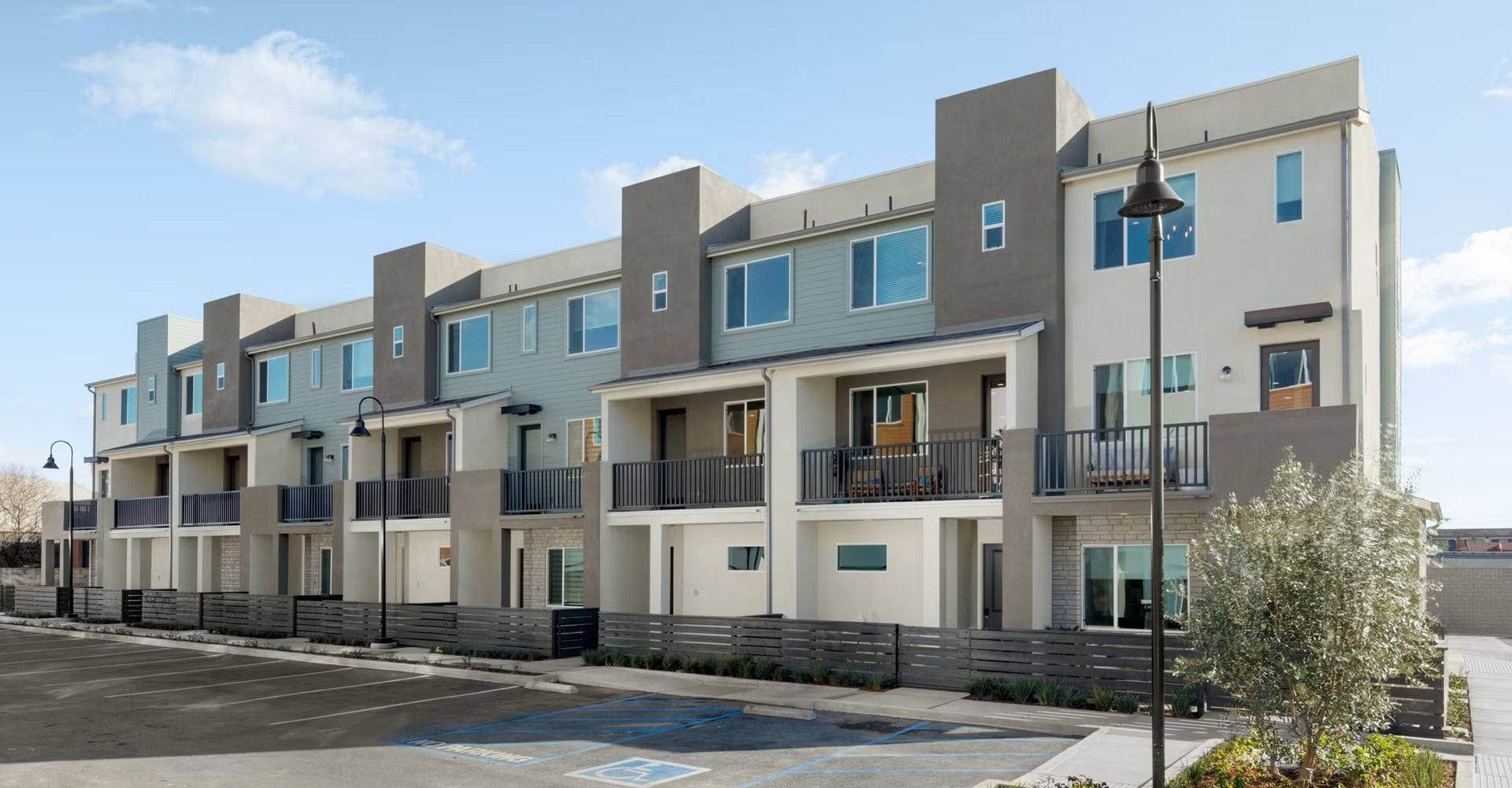
Choosing a place to live is no longer just about floor plans, finishes, or the number of bedrooms. It’s about how life feels once you step outside your front door. That shift is why conversations around the planned community concept have become so important, especially for buyers exploring California planned communities.
If you’ve ever paused to ask what a planned community is and why it seems to matter more now than it did a decade ago, the answer is that our lives have changed.
Work, family routines, social connections, and wellness are more intertwined with where we live than ever before. Location and community design now shape daily experiences in ways that square footage alone never could.
What is a Planned Community in Today’s Housing Market?
At its core, a planned community is a neighborhood designed with intention from the very beginning. Instead of homes being built first and amenities added later, everything, from streets and sidewalks to parks and gathering spaces, is planned as part of a larger vision.
Modern planned communities focus on:
- Creating neighborhoods that feel complete, not fragmented
- Designing streets and paths that encourage movement and interaction
- Integrating homes with shared spaces, services, and nearby conveniences
In California, where land use, transportation, and lifestyle needs are complex, this approach makes communities more livable and desirable over time.
Why Has Location Become the Foundation of Smart Home Buying Decisions?
Location has always mattered in real estate, but today it plays a deeper role in how people evaluate new homes. Buyers are thinking beyond commute times and resale value and asking how a location supports everyday life.
How does location influence daily routines and long-term satisfaction?
A well-chosen location can:
- Reduce time spent driving and increase time spent living
- Make daily errands and activities more convenient
- Support changing needs as work, family, and schedules evolve
For many buyers, especially those considering new homes in Southern California, the ideal location balances access to employment centers with proximity to parks, schools, and neighborhood services.
Planned communities are often positioned to strike that balance more effectively than isolated developments.
Community Design as a Reflection of How People Want to Live Today
Community design influences how often neighbors interact, how comfortable people feel outdoors, and how connected a place feels overall. Thoughtful community design often includes:
- Walkable streets that connect homes to shared spaces
- Parks and trails that invite regular outdoor use
- Gathering areas that make casual interaction feel natural
Rather than relying on planned events or formal activities, these design choices allow connections to form organically. Over time, they help neighborhoods feel less like collections of houses and more like places where people truly belong.
How Safety and Sustainability Are Built Into Modern Community Planning
Safety and sustainability are no longer afterthoughts in new-home neighborhoods. They are integrated into the physical design of the community itself. Instead of fences or heavy restrictions, planned communities often rely on:
- Clear sightlines and well-lit pathways
- Streets designed to slow traffic naturally
- Public spaces that encourage regular use and visibility
Sustainability as part of everyday living
In California, environmental responsibility is closely tied to community planning. Many planned communities are designed to support:
- Energy-efficient homes
- Water-conscious landscaping
- Infrastructure ready for evolving transportation and technology needs
Why Does Community Design Play a Role in Long-Term Home Value?
Beyond lifestyle benefits, community design can influence how a neighborhood holds its value over time. Well-planned neighborhoods tend to:
- Maintain a consistent look and feel
- Adapt more easily to changing buyer preferences
- Remain desirable even as markets shift
California’s Unique Housing Challenges and Why Planning Matters More Here
California’s housing landscape is shaped by limited land, diverse geography, and evolving regulations. These factors make intentional planning especially important. Planned communities help address these challenges by:
- Using land more efficiently
- Creating neighborhoods that balance density with livability
- Supporting a wide range of household types and lifestyles
As expectations rise, new home builders in Southern California and across the state are placing greater emphasis on how communities function.
What Home Buyers Should Pay Attention to When Touring a Planned Community?
When exploring a planned community, it helps to look beyond model homes and ask broader questions about the neighborhood itself. Consider:
- How easy it is to move through the community on foot or by bike
- Whether shared spaces feel welcoming and usable
- How the community connects to the surrounding area
- Whether the design feels adaptable to future needs
Closing Thoughts
Buying a home today is a collection of choices about how you want your life to unfold. Location influences your daily rhythm. Community design shapes how connected, comfortable, and supported you feel once you’re there.
That’s why planned communities have taken on new meaning in California. They reflect a growing understanding that homes don’t exist in isolation. They exist within neighborhoods, routines, and relationships that define everyday life.
When buyers take the time to look beyond the walls of a home and consider the larger community around it, they’re choosing a foundation for years to come.


