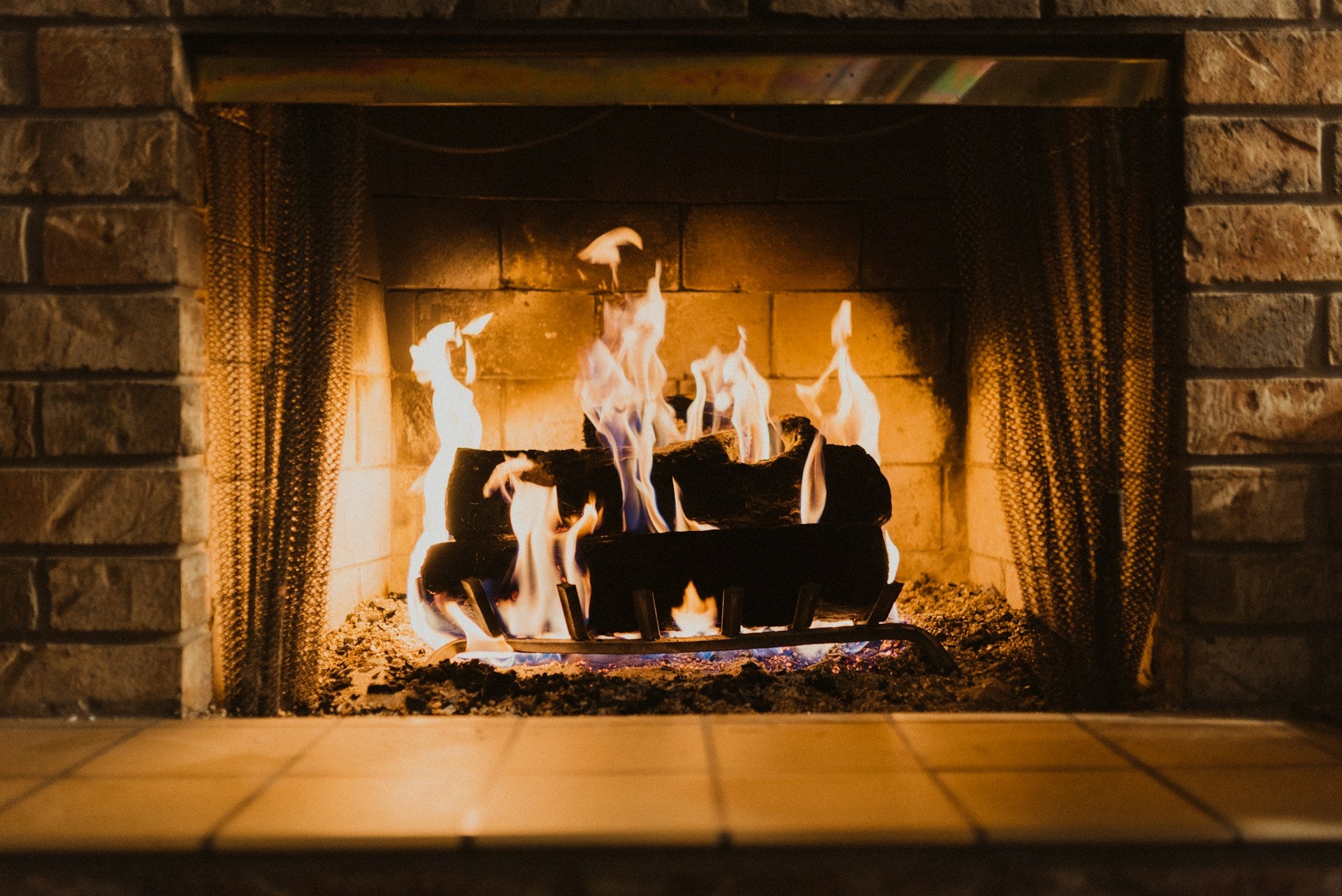
For today’s California homebuyers, design choices reflect lifestyle, efficiency, and long-term value. One feature that often sparks debate is the gas vs. electric fireplace decision. While gas fireplaces once dominated new builds, modern construction trends are clearly shifting toward electric.
If you’re comparing a gas vs. electric fireplace for new homes in Morgan Hill, CA, understanding how they differ in efficiency, safety, cost, and flexibility can help you make a confident choice.
What Is the Difference Between Gas and Electric Fireplaces?
At a high level, the difference between gas and electric fireplaces comes down to fuel source and operation.
Gas fireplaces:
- Burn natural gas or propane
- Require venting or flue systems
- Produce real flames and combustion heat
Electric fireplaces:
- Use electricity and heating elements
- Require no combustion or venting
- Can provide heat, ambiance, or both
While both offer warmth and visual appeal, the electric vs. gas fireplace debate increasingly favors electric, especially in new homes in Southern California, where efficiency codes and sustainability matter.
Gas vs. Electric Fireplace: Energy-Efficiency Comparison
Electric fireplaces convert nearly 100% of the electricity they use into usable heat. Key efficiency facts include:
- No heat loss through vents or chimneys
- Zone heating allows homeowners to heat only occupied rooms
- Typical electric fireplaces use 750 to 1,500 watts
Gas Fireplace Efficiency and Heat Loss
Gas fireplaces are often marketed as “efficient,” but real-world performance varies.
What impacts gas efficiency
- Venting systems pull warm air out of the home
- Pilot lights consume fuel continuously
- Combustion heat partially escapes outdoors
Are Electric Fireplaces More Efficient Than Gas?
Yes, when comparing electric fireplace vs gas, electric units win in energy-efficiency.
|
Feature |
Electric Fireplace |
Gas Fireplace |
|
Heat Conversion |
~100% |
70 to 85% |
|
Venting Loss |
None |
Moderate |
|
Zone Heating |
Excellent |
Limited |
Electric Vs. Gas Fireplace: Installation and Cost
Installation is where many homeowners first notice the difference between electric fireplace vs. gas fireplace options.
Electric fireplaces:
- Standard electrical outlet
- No gas lines or venting
- Faster installation timelines
Gas fireplaces:
- Gas line installation
- Venting or chimney construction
- Inspections and permits
Long-Term Operating and Maintenance Costs
When evaluating an electric fireplace vs. a gas one, operating and maintenance costs should be factored in as part of your decision.
Electric:
- No annual servicing required
- No pilot lights or gas leaks
- Average operating cost: $0.15 to $0.25/hour
Gas:
- Annual inspections recommended
- Ongoing fuel costs
- Average operating cost: $0.40 to $0.60/hour
Safety Considerations: Electric vs. Gas Fireplace
Safety is one of the most important factors in the gas vs. electric fireplace conversation. In electric fireplaces, perks include:
- No open flame
- Cool-to-touch glass
- Automatic shutoff features
Gas fireplaces, on the other hand, have:
- Open or sealed combustion
- Risk of gas leaks
- Carbon monoxide concerns
Indoor Air Quality and Emissions
When comparing an electric fireplace vs. a gas fireplace, indoor air quality becomes critical, especially for families.
Gas fireplaces emit:
- Carbon monoxide
- Nitrogen dioxide
- Fine particulates
Electric fireplaces emit nothing.
Design Flexibility for Modern Homes
Electric fireplaces offer unmatched flexibility and design advantages, including:
- The ability to install one on nearly any wall
- Flexibility to fit bedrooms, living rooms, and offices
- No clearance requirements
Gas fireplaces are limited by venting and structural constraints, which can restrict layout options.
Customization and Contemporary Aesthetics
In the electric vs. gas fireplace design debate, electric options align better with modern tastes. Electric fireplaces feature:
- Adjustable flame colors
- Multiple media options (glass, crystals, logs)
- Smart-home integration
Environmental Impact: Electric Fireplace vs Gas Fireplace
Sustainability is a growing priority for California homeowners. Here are some benefits of electric fireplaces:
- No on-site emissions
- Compatible with renewable energy
- Supports California’s clean energy goals
Gas fireplaces burn fossil fuels and contribute directly to greenhouse gas emissions.
As California continues phasing out natural gas in new construction, the electric fireplace vs. gas fireplace comparison increasingly favors electric from an environmental standpoint.
Which Fireplace Is Better for New Construction Homes?
For new homes, especially those built to meet Title 24 energy standards, electric fireplaces make practical sense.
Why builders prefer electric:
- Easier compliance with energy codes
- Lower construction complexity
- Reduced long-term liability
Why Electric Fireplaces Are Ideal for Modern City Ventures Homes
City Ventures focuses on forward-thinking design and sustainability that align perfectly with electric fireplaces. Electric fireplaces complement modern homes by offering:
- Cleaner indoor air
- Lower operating costs
- Flexible, contemporary design
For homebuyers seeking comfort without compromise, electric fireplaces represent a smarter, future-ready choice.
Closing Thoughts
When weighing gas vs. electric fireplace options, electric fireplaces consistently outperform gas in efficiency, safety, cost, and flexibility. For California homebuyers focused on modern living, sustainability, and long-term value, electric fireplaces are the better choice.
Frequently Asked Questions
Q1: Do electric fireplaces actually heat a room?
Yes. Most electric fireplaces effectively heat 400 to 1,000 square feet, depending on wattage and insulation.
Q2: Can electric fireplaces be used without heat?
Absolutely. Flame effects can operate independently, providing ambiance year-round.
Q3: Are electric fireplaces allowed in all California cities?
Yes. Since they produce no emissions, electric fireplaces face no local restrictions.
Q4: Do electric fireplaces increase home value?
While not a direct appraisal factor, modern electric fireplaces enhance buyer appeal and perceived comfort.
Q5: Can electric fireplaces work with solar panels?
Yes. Electric fireplaces pair well with solar-powered homes, further reducing operating costs.


